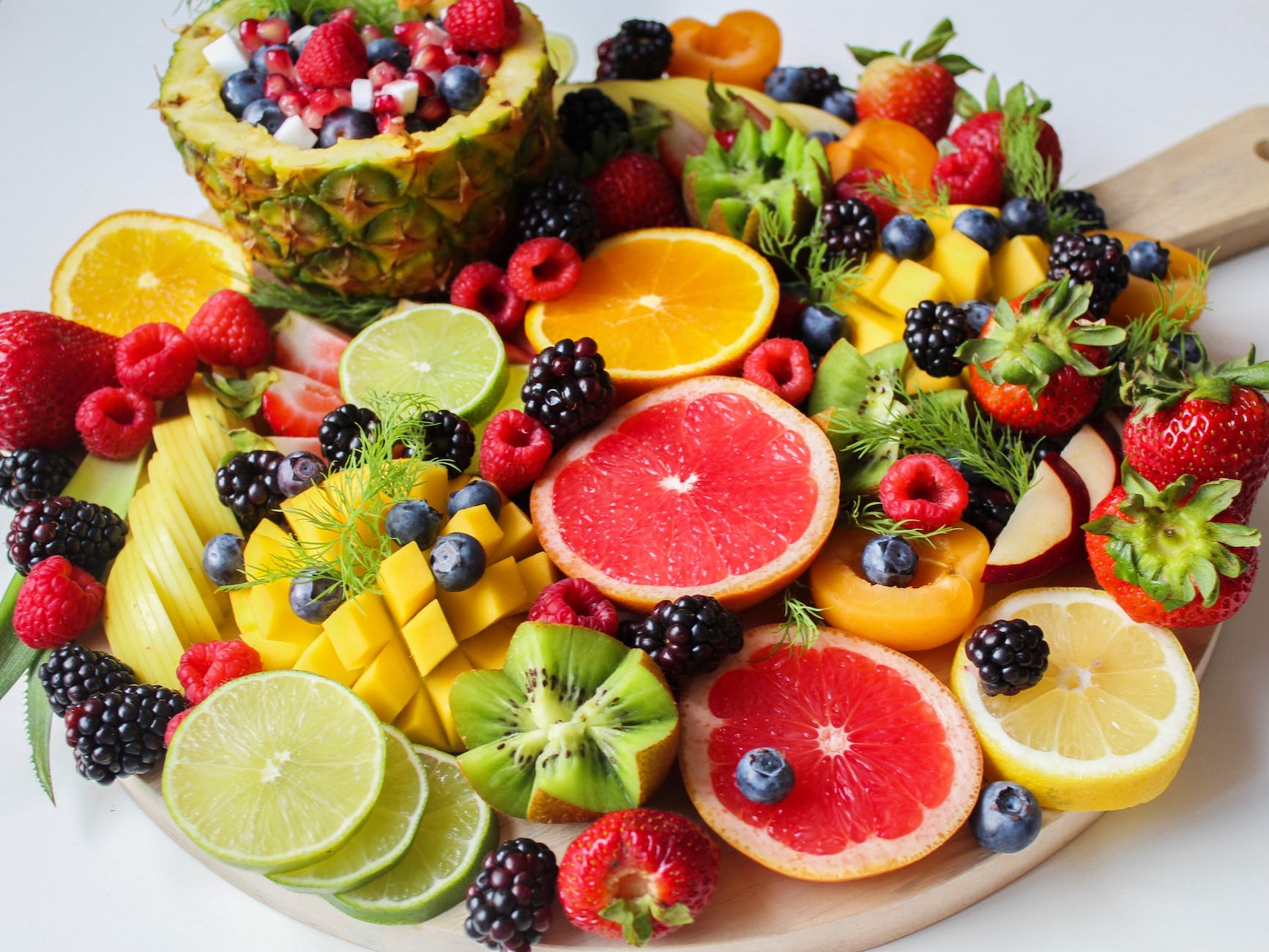
Anti-inflammatory fruits and vegetables are essential components of a healthy diet. therefore, incorporating these nutrient-rich foods into your daily routine can help you fight off inflammation, which is a natural response of the body to injury or infection, and support overall health and well-being.
Here are a few reasons why consuming anti-inflammatory fruits and vegetables daily is so important:
- Reduced Inflammation: Inflammation is a natural response of the body to injury or infection, but chronic inflammation can lead to a wide range of health issues, including autoimmune disorders, heart disease, and cancer. Anti-inflammatory fruits and vegetables contain nutrients such as vitamins, minerals, and antioxidants that help reduce inflammation and protect against chronic disease.
- Improved Digestion: Many anti-inflammatory fruits and vegetables are also high in fiber, which plays a crucial role in digestive health. A diet rich in fiber can help regulate bowel movements, prevent constipation, and promote the growth of healthy gut bacteria.
- Increased Nutrient Intake: Fruits and vegetables are packed with essential nutrients that are vital for maintaining optimal health. Consuming a variety of anti-inflammatory fruits and vegetables daily can help ensure that you’re getting the vitamins and minerals your body needs to function properly.
- Weight Management: Fruits and vegetables are low in calories and high in fiber, which can help keep you feeling full and satisfied. Including anti-inflammatory fruits and vegetables in your diet can help you maintain a healthy weight and prevent obesity-related health issues.
- Improved Skin Health: Many anti-inflammatory fruits and vegetables are also rich in vitamins and antioxidants that can help improve skin health. Consuming these foods regularly can help reduce the appearance of fine lines and wrinkles, promote collagen production, and protect against skin damage caused by environmental factors.
Here are 7 Anti-inflammatory fruits and vegetables:
- Leafy Greens: Kale, spinach, collard greens, and Swiss chard are all packed with vitamins, minerals, and antioxidants that can help reduce inflammation in the body.
- Cruciferous Vegetables: Broccoli, cauliflower, and Brussels sprouts contain compounds that have been shown to have anti-inflammatory effects.
- Berries: Blueberries, raspberries, strawberries, and blackberries are all rich in antioxidants and have anti-inflammatory properties.
- Citrus Fruits: Oranges, lemons, limes, and grapefruits are high in vitamin C, which is an antioxidant that can help reduce inflammation.
- Pineapple: This tropical fruit contains bromelain, an enzyme that has anti-inflammatory properties and can aid in digestion.
- Ginger: While not a fruit or vegetable, ginger is often used in juices for its anti-inflammatory properties. It contains compounds called gingerols and shogaols that have been shown to reduce inflammation.
- Turmeric: This spice is often used in traditional medicine for its anti-inflammatory properties. It contains a compound called curcumin, which has been shown to have powerful anti-inflammatory effects.
Sources and References:
Below are additional sources about anti-inflammatory foods, daily dietary recommendations, and maintaining an overall balanced nutrient intake. Remember, however, that it is always important to consult with a healthcare provider or registered dietitian before making any significant changes to your diet.
- Dietary guidelines (USDA)
- Jamah Eating Healthy (Jamah Heath)
- MyPlate (USDA)
- Leafy greens: “The Health Benefits of Leafy Greens,” Healthline, accessed May 11, 2023, https://www.healthline.com/nutrition/leafy-green-vegetables
- Cruciferous vegetables: “Cruciferous Vegetables and Cancer Prevention,” National Cancer Institute, accessed May 11, 2023, https://www.cancer.gov/about-cancer/causes-prevention/risk/diet/cruciferous-vegetables-fact-sheet
- Berries: “Antioxidant and Anti-inflammatory Activities of Berries,” NCBI, accessed May 11, 2023, https://www.ncbi.nlm.nih.gov/pmc/articles/PMC3068482/.
- Citrus fruits: “Citrus Fruits and Inflammation,” NCBI, accessed May 11, 2023, https://www.ncbi.nlm.nih.gov/pmc/articles/PMC5409860/.
- Pineapple: “Bromelain: A Review of its Anti-inflammatory Properties and Clinical Uses,” NCBI, accessed May 11, 2023, https://www.ncbi.nlm.nih.gov/pmc/articles/PMC4998156/.
- Ginger: “The Anti-inflammatory Effects of Ginger,” NCBI, accessed May 11, 2023, https://www.ncbi.nlm.nih.gov/pmc/articles/PMC3665023/.
- Turmeric: “Curcumin as a Therapeutic Agent: The Evidence from In Vitro, Animal and Human Studies,” NCBI, accessed May 11, 2023, https://www.ncbi.nlm.nih.gov/pmc/articles/PMC5664031/.

 Jamah Well
Leave a comment