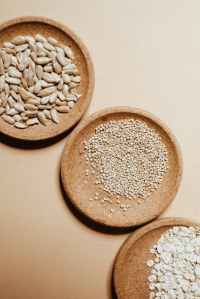

A Nutritional Powerhouse
When it comes to preventing and managing type 2 diabetes, choosing the right grains can make a significant difference in your overall health. Incorporating the healthiest grains into your diet not only helps regulate blood sugar levels but also provides essential nutrients. So without further ado, let us delve into these grains:
Barley: Barley is a super grain that deserves a place in your pantry if you aim to prevent or manage type 2 diabetes. The American Diabetes Association (ADA) emphasizes its benefits, stating, “Barley is high in soluble fiber, which may help control blood sugar levels.”
“Barley is high in soluble fiber, which may help control blood sugar levels.”
Research published in The American Journal of Clinical Nutrition further suggests that including barley in your diet can improve glucose tolerance and reduce risk factors associated with type 2 diabetes.
Quinoa: Quinoa, hailed as an ancient grain, has gained tremendous popularity for its exceptional nutritional profile. The ADA recognizes quinoa as a top choice for individuals with type 2 diabetes.
“Quinoa is a great choice because it is a whole grain that is rich in fiber and has a low glycemic index (GI).”– ADA
The moderate GI of Quinoa helps regulate blood sugar levels, making it an ideal option for diabetes management.
Oats: Oats, a classic breakfast grain, are a true powerhouse for managing type 2 diabetes.
The ADA affirms that “oats are an excellent source of whole grains and are high in fiber, which helps regulate blood sugar levels.”
A review published in the European Journal of Clinical Nutrition highlights the positive impact of oats on glycemic control, making it an invaluable addition to your diabetes-friendly diet.
Buckwheat: Don’t let the name deceive you; buckwheat is a fantastic grain choice for individuals with type 2 diabetes.
The Joslin Diabetes Center emphasizes its benefits, stating, “Buckwheat is rich in soluble fiber, which can help regulate blood sugar levels.”
Furthermore, research published in the Journal of Agricultural and Food Chemistry suggests that buckwheat consumption may improve insulin sensitivity, a crucial factor in diabetes management.
Harnessing the Power of Whole Grains
Whole Wheat: When it comes to whole grains, whole wheat takes the lead.
According to the American Diabetes Association (ADA), “Whole wheat contains all three components of the grain—the bran, germ, and endosperm—retaining valuable nutrients and fiber.”
Research published in the Journal of Nutrition suggests that whole wheat consumption may lower the risk of developing type 2 diabetes due to its fiber and phytochemical content.
Brown Rice: Brown rice, the unrefined version of white rice, provides numerous health benefits for individuals with or at risk of type 2 diabetes.
The Joslin Diabetes Center explains, “Unlike white rice, brown rice is a whole grain that retains its outer bran layer, which is rich in fiber and nutrients.”
studies found that consuming brown rice instead of white rice is associated with a lower risk of type 2 diabetes.
Rye: Rye, often overlooked but worthy of attention, offers unique advantages for managing type 2 diabetes.
According to the American Heart Association (AHA), “Rye contains a high proportion of soluble fiber, which slows down digestion and helps regulate blood sugar levels.”
A study published in the Journal of Nutrition demonstrated that rye consumption resulted in improved insulin sensitivity and lowered post-meal insulin levels.
Millet: Millet, a gluten-free whole grain, has gained recognition for its potential benefits in managing type 2 diabetes.
The International Journal of Food Sciences and Nutrition reports that “millet is rich in fiber and has a low glycemic index, which can help regulate blood sugar levels.”
Additionally, a study published in the Journal of Medicinal Food found that millet consumption led to improved glycemic control in individuals with type 2 diabetes.
Grains glycemic Index Chart
The below lists the glycemic index (GI) values for these grains, from best to worst in terms of their impact on blood sugar levels:
| Buckwheat: GI = 54 Buckwheat has a low GI, which means it causes a slower rise in blood sugar levels compared to high-GI foods. |
| Barley: GI = 28-34 Barley has a low GI, making it an excellent choice for individuals with type 2 diabetes as it helps regulate blood sugar levels. |
| Quinoa: GI = 53 Quinoa falls in the medium GI range, indicating a moderate impact on blood sugar levels. However, it is still a favorable choice due to its high fiber content. |
| Rye: GI = 45-56 Rye has a moderate GI, making it a better choice compared to higher-GI grains but still potentially affecting blood sugar levels. |
| Oats: GI = 55-83 (varies depending on the type of oats and cooking method) Oats have a variable GI, ranging from low to high. Steel-cut oats or rolled oats tend to have a lower GI compared to instant oats. |
| Whole Wheat: GI = 54-76 (varies depending on the product) Whole wheat products can have varying GI values, but they generally fall in the moderate range. |
| Brown Rice: GI = 50-89 (varies depending on the type of brown rice and cooking method) Brown rice can have a medium to high GI, depending on the variety and preparation method. |
| Millet: GI = 71-85 Millet has a higher GI, indicating a more significant impact on blood sugar levels compared to other grains on this list. |
It is safe to say, incorporating the healthiest grains into one’s diet and embracing the goodness of whole grains can significantly contribute to preventing and managing type 2 diabetes. Barley, quinoa, oats, and buckwheat and other whole grains are just a few examples of nutritional powerhouses that offer numerous benefits, including blood sugar regulation and improved insulin sensitivity. However, remember to always consult with a healthcare professional or a registered dietician before you make any drastic changes to your diet.
Reference:
The American Journal of Clinical Nutrition. (2008). Barley and whole-grain diets improve glucose tolerance, reduce plasma cholesterol and triglycerides, and improve antioxidant status in humans. Retrieved from https://pubmed.ncbi.nlm.nih.gov/18689371/
American Diabetes Association. (n.d.). Diabetes Superfoods. Retrieved from https://www.diabetes.org/healthy-living/recipes-nutrition/eating-well/diabetes-superfoods
European Journal of Clinical Nutrition. (2014). The effect of oats on biomarkers of cardiovascular disease in type 2 diabetes. Retrieved from https://pubmed.ncbi.nlm.nih.gov/24984974/
Journal of Agricultural and Food Chemistry. (2010). Buckwheat (Fagopyrum esculentumMoench) Sprout Treated with Exogenous Methyl Jasmonate Improves Insulin Resistance in Sucrose-Induced Hyperglycemic Rats. Retrieved from https://pubmed.ncbi.nlm.nih.gov/20151622/
The American Diabetes Association. (n.d.). Whole Grains. Retrieved from https://www.diabetes.org/nutrition/healthy-food-choices-made-easy/whole-grains
Diabetes Care. (2010). White rice consumption and risk of type 2 diabetes: Meta-analysis and systematic review. Retrieved from https://pubmed.ncbi.nlm.nih.gov/20150296/
The American Heart Association. (2017). Whole Grains and Fiber. Retrieved from https://www.heart.org/en/healthy-living/healthy-eating/eat-smart/nutrition-basics/whole-grains-refined-grains-and-dietary-fiber
Jamah Health.(2023). Retrieved from https://atomic-temporary-196657152.wpcomstaging.com/resources/

 Jamah Well
Leave a comment