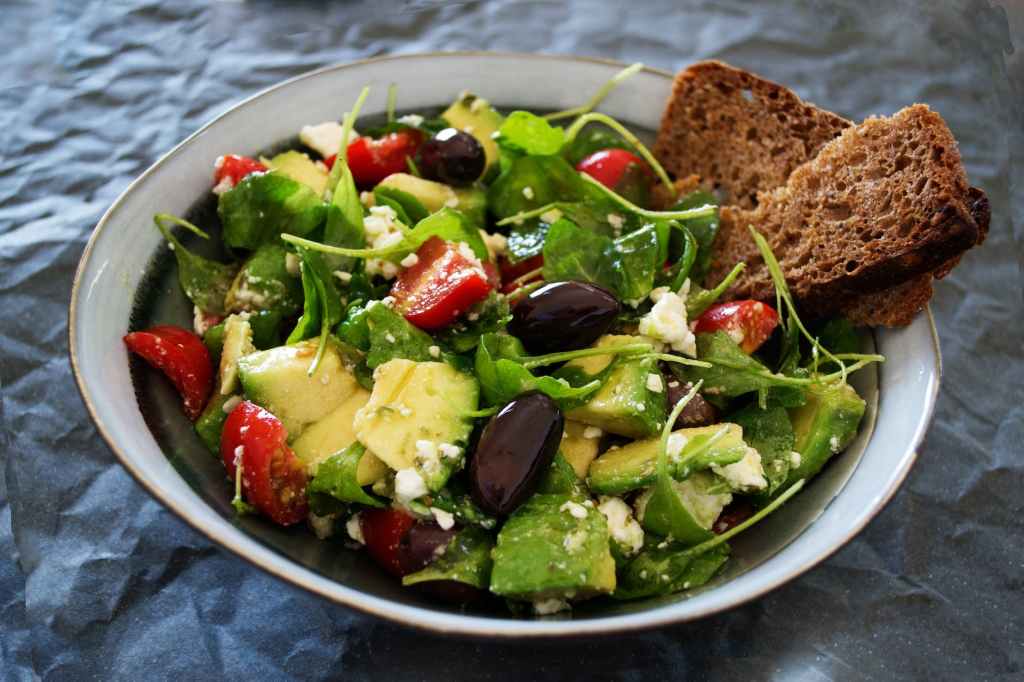
The Mediterranean diet—a delightful and nutritious way of eating that has captured the hearts and taste buds of millions worldwide. Originating from the countries surrounding the Mediterranean Sea, this diet is not just about the food you eat, but also about embracing a lifestyle that promotes overall well-being. In this blog post, we will uncover the secrets of the Mediterranean diet, highlighting its key food groups, offering menu ideas, and providing you with some credible references to delve deeper into this healthy and delicious way of life.
“The Mediterranean diet is not just about the food you eat, but also about embracing a lifestyle that promotes overall well-being.“
Food Groups:
- Fresh Fruits and Vegetables: The Mediterranean diet emphasizes a variety of colorful fruits and vegetables. Think ripe tomatoes, vibrant bell peppers, leafy greens, juicy oranges, and succulent grapes. These nutrient-dense foods provide a wide range of vitamins, minerals, and antioxidants, promoting good health and vitality.
- Whole Grains: Incorporate whole grains into your meals, such as whole wheat bread, brown rice, quinoa, and bulgur. These complex carbohydrates provide sustained energy and are a significant source of fiber, aiding digestion and keeping you feeling fuller for longer.
- Healthy Fats: The Mediterranean diet emphasizes the consumption of healthy fats, such as olive oil and nuts. Olive oil, a staple in the Mediterranean region, is rich in monounsaturated fats and antioxidants, which contribute to heart health. Nuts, including almonds, walnuts, and pistachios, are packed with beneficial fats, protein, and fiber.
- Legumes: Legumes, including lentils, chickpeas, and beans, are a crucial component of this diet. These plant-based proteins are low in fat, high in fiber, and provide a wide range of vitamins and minerals. Incorporating legumes into your meals adds variety and boosts nutrition.
- Fish and Seafood: The Mediterranean Sea is known for its abundance of seafood, and the diet reflects this. Include fatty fish like salmon, mackerel, and sardines, which are high in omega-3 fatty acids, promoting heart and brain health.
- Lean Protein: While the Mediterranean diet is not predominantly focused on meat, it does include lean protein sources like poultry, eggs, and dairy products in moderation. Opt for lean cuts of chicken or turkey, incorporate eggs into your breakfast, and enjoy moderate amounts of Greek yogurt and cheese.
The Benefits of the Mediterranean Diet for Type 2 Diabetes:
Backed by scientific evidence, this dietary approach not only offers a delectable culinary experience but also provides numerous health benefits for individuals living with or at risk of developing type 2 diabetes.
- Improved Blood Sugar Control: The Mediterranean diet’s emphasis on whole grains, fruits, vegetables, and legumes helps regulate blood sugar levels. These foods are rich in fiber, which slows down digestion and the release of glucose into the bloodstream, resulting in more stable blood sugar levels.
- Heart-Healthy Fats: The Mediterranean diet encourages the consumption of healthy fats, such as olive oil, nuts, and seeds, which have been linked to a reduced risk of heart disease—a common complication for individuals with type 2 diabetes. These fats provide satiety, enhance insulin sensitivity, and have anti-inflammatory properties.
- Rich in Antioxidants: Fruits, vegetables, herbs, and spices abundant in the Mediterranean diet are packed with antioxidants. These compounds help protect against oxidative stress and inflammation, which play a role in the development and progression of type 2 diabetes.
- Weight Management: The Mediterranean diet is associated with weight loss and weight maintenance, both crucial for preventing and managing type 2 diabetes. The diet’s emphasis on whole foods, portion control, and a diverse array of flavors and textures contributes to a balanced eating pattern.
“By incorporating whole, unprocessed foods, heart-healthy fats, and a rainbow of fruits and vegetables, this eating pattern can help regulate blood sugar levels, improve cardiovascular health, and support weight management.”
In a nutshell, the Mediterranean eating pattern stands as a remarkable dietary approach for individuals seeking to prevent or manage type 2 diabetes. By incorporating whole, unprocessed foods, heart-healthy fats, and a rainbow of fruits and vegetables, this eating pattern can help regulate blood sugar levels, improve cardiovascular health, and support weight management. Always remember to consult with a healthcare professional or registered dietitian before making significant changes to your diet. Embrace the Mediterranean diet and embark on a journey towards better health and well-being.
Below are some menu examples to get you started. Feel free to spice things to your taste and keep the sodium content low.
Menu idea#1
- Breakfast:
- Greek yogurt topped with fresh berries, nuts, and a drizzle of honey.
- Whole grain toast with mashed avocado, sprinkled with feta cheese and cherry tomatoes.
- Lunch:
- Mediterranean salad with mixed greens, cherry tomatoes, cucumber, olives, feta cheese, and a lemon-olive oil dressing.
- Grilled chicken or fish served with a side of roasted vegetables and quinoa.
- Dinner:
- Baked salmon with lemon and herbs, served with steamed broccoli and a side of whole wheat couscous.
- Lentil and vegetable stew flavored with aromatic Mediterranean herbs like oregano, thyme, and rosemary.
- Snacks:
- Fresh fruit, such as sliced melon or grapes.
- Hummus served with carrot sticks and whole grain crackers.
Menu idea#2
- Breakfast:
- Oatmeal topped with fresh berries, a sprinkle of cinnamon, and a drizzle of honey.
- Vegetable omelet made with egg whites, spinach, tomatoes, and feta cheese.
- Lunch:
- Greek salad with mixed greens, cucumber, cherry tomatoes, olives, grilled chicken breast, and a lemon-olive oil dressing.
- Lentil soup served with a side of whole grain bread and a mixed vegetable salad.
- Dinner:
- Grilled salmon seasoned with herbs, served with a side of roasted vegetables and quinoa.
- Baked chicken breast with a Mediterranean salsa made from diced tomatoes, cucumbers, red onions, and a splash of balsamic vinegar, served with a side of steamed broccoli.
“Remember, the journey to a healthier you begins with small, mindful choices.”
Finally, the Mediterranean diet offers a delightful way to nourish your body while enjoying a wide array of flavors and textures. By embracing this way of eating, you can experience the benefits of a balanced and heart-healthy lifestyle. Remember, the journey to a healthier you begins with small, mindful choices. So, why not embark on this Mediterranean adventure and savor the goodness it has to offer? Bon appétit!
References:
- Jamah Health Solutions. Retrieved 2023. Website: https://atomic-temporary-196657152.wpcomstaging.com/healthy-eating/
- “Oldways Mediterranean Diet.” Oldways. Website
- Estruch, R., et al. “Primary Prevention of Cardiovascular Disease with a Mediterranean Diet.” New England Journal of Medicine, 368(14), 1279-1290. 2013.
- Willett, W. C., et al. “Mediterranean Diet and Incidence of and Mortality from Coronary Heart Disease and Stroke in Women.” Circulation, 119(8), 1093-1100. 2009.
- Esposito, K., et al. “Effect of a Mediterranean-Style Diet on Endothelial Dysfunction and Markers of Vascular Inflammation in the Metabolic Syndrome: A Randomized Trial.” JAMA, 292(12), 1440-1446. 2004.
- Salas-Salvadó, J., et al. “Effect of a Mediterranean Diet Supplemented With Nuts on Metabolic Syndrome Status: One-Year Results of the PREDIMED Randomized Trial.” Archives of Internal Medicine, 168(22), 2449-2458. 2008.
- Esposito, K., et al. “Effects of a Mediterranean-Style Diet on the Need for Antihyperglycemic Drug Therapy in Patients With Newly Diagnosed Type 2 Diabetes.” Annals of Internal Medicine, 151(5), 306-314. 2009.


 Jamah Well
Leave a comment