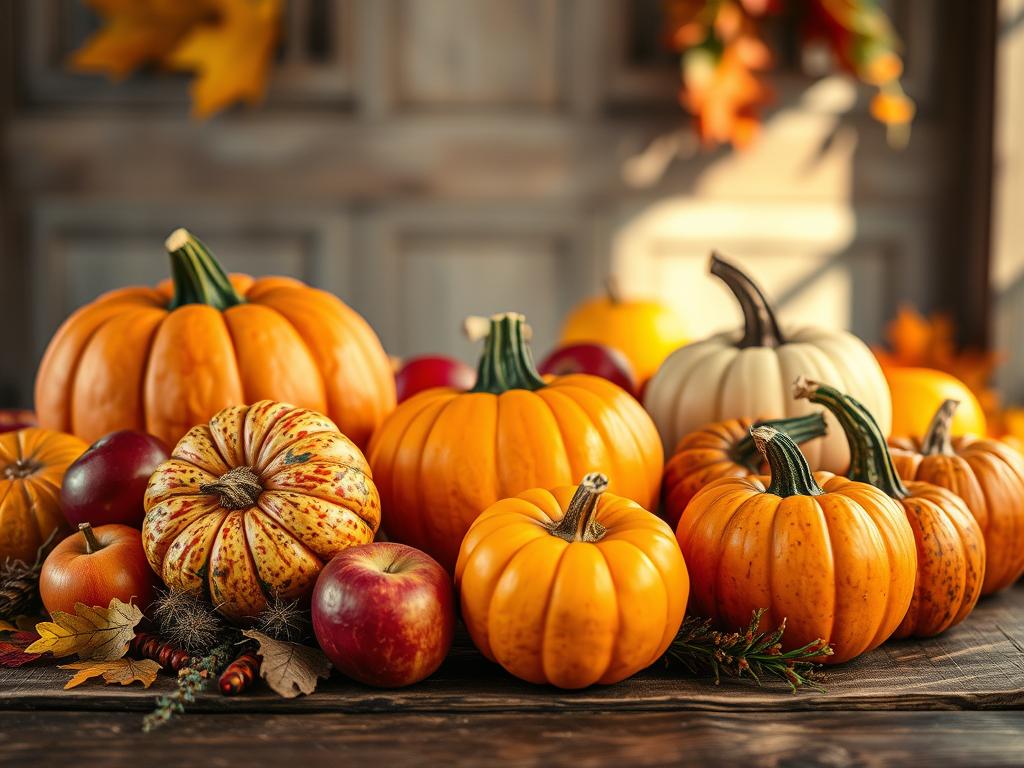
As summer’s heat gives way to the crisp, cool air of fall, nature graces us with a bountiful harvest. Autumn, with its vibrant foliage and cozy atmosphere, brings a sense of renewal and celebration. Whether you’re strolling through a farmers’ market or preparing a warm meal at home, the Fall season offers an abundance of flavors and experiences that nourish both body and soul. Let’s explore the many gifts of the fall season, from seasonal fruits and vegetables to favorite fall drinks and recipes.
The Fruits and Vegetables of Fall
One of the best things about fall is the variety of fresh produce that ripens during the season. As the leaves change color, the markets fill with fruits and vegetables that are hearty, flavorful, and packed with nutrients. Here are some of the most popular in-season picks:
Fruits
- Apples
- Rich in Fiber: Apples are an excellent source of dietary fiber, which aids in digestion and supports gut health.
- High in Antioxidants: Contains flavonoids and polyphenols that help reduce the risk of chronic diseases like heart disease and cancer.
- Supports Heart Health: The soluble fiber in apples can help lower cholesterol levels, while their antioxidants support cardiovascular function.
- Pears
- High in Fiber: Pears are a source of dietary fiber, promoting healthy digestion and preventing constipation.
- Rich in Vitamin C: This vitamin helps support immune health and the production of collagen for skin and tissue repair.
- Antioxidant-Rich: Pears contain powerful antioxidants, such as flavonoids, which protect against oxidative stress and inflammation.
- Cranberries
- Promotes Urinary Health: Cranberries are well-known for preventing urinary tract infections (UTIs) due to their proanthocyanidin content, which helps prevent bacteria from adhering to the bladder walls.
- Rich in Antioxidants: High in vitamin C and other antioxidants, cranberries support the immune system and protect against cell damage.
- Supports Heart Health: Cranberries can help lower LDL (bad) cholesterol levels and improve blood pressure, contributing to heart health.
- Figs
- High in Fiber: Figs are rich in both soluble and insoluble fiber, aiding in digestion and promoting satiety.
- Good Source of Calcium: Figs are a plant-based source of calcium, which supports bone health and helps prevent osteoporosis.
- Rich in Antioxidants: Figs contain antioxidants like polyphenols that help reduce inflammation and protect against oxidative stress.
- Pomegranates
- Rich in Antioxidants: Pomegranates are packed with powerful antioxidants, particularly punicalagins, which are highly effective in reducing inflammation.
- Heart Health Benefits: Pomegranates may help reduce blood pressure, lower cholesterol levels, and improve overall cardiovascular health.
- Anti-Inflammatory: The high concentration of antioxidants in pomegranates also helps combat inflammation and reduces the risk of chronic diseases.
Vegetables
- Pumpkins
- Rich in Vitamin A: Pumpkins are loaded with beta-carotene, which converts to vitamin A in the body. This supports vision, skin health, and immune function.
- Low in Calories: Pumpkins are low in calories but high in fiber, making them ideal for weight management.
- Packed with Antioxidants: The antioxidants in pumpkin, including beta-carotene and vitamin C, help reduce the risk of chronic diseases.
- Butternut Squash
- High in Vitamin A: Butternut squash is rich in beta-carotene, which promotes eye health and supports a healthy immune system.
- Rich in Fiber: The fiber content helps improve digestive health and promotes feelings of fullness.
- Contains Potassium: Potassium is essential for maintaining healthy blood pressure levels, and butternut squash is a good source of this important mineral.
- Sweet Potatoes
- Rich in Beta-Carotene: Like pumpkins and butternut squash, sweet potatoes are high in beta-carotene, which is essential for good vision and skin health.
- High in Fiber: The fiber in sweet potatoes supports digestion and helps regulate blood sugar levels.
- Loaded with Vitamins: Sweet potatoes are rich in vitamins B6, C, and D, which contribute to a healthy immune system, skin, and bones.
- Brussels Sprouts
- High in Vitamin C: Brussels sprouts are a reliable source of vitamin C, supporting immune health and promoting skin repair.
- Rich in Fiber: Fiber supports digestive health and helps reduce cholesterol levels.
- Contains Antioxidants: Brussels sprouts are rich in compounds like sulforaphane, which may help protect against certain types of cancer.
- Carrots and Parsnips
- Carrots:
- Rich in Beta-Carotene: Carrots are famous for their high beta-carotene content, which converts to vitamin A and is essential for good vision and immune function.
- Low in Calories: Carrots are low in calories and high in fiber, making them an excellent addition to a balanced diet.
- Supports Heart Health: The potassium in carrots can help regulate blood pressure levels.
- Parsnips:
- High in Fiber: Parsnips are high in dietary fiber, which aids digestion and helps control blood sugar levels.
- Rich in Vitamin C and Folate: These nutrients are essential for immune support and reducing the risk of certain birth defects.
- Contains Antioxidants: Parsnips provide antioxidants that help protect cells from oxidative damage and inflammation.
- Carrots:
Embracing Autumn’s Gifts
Autumn is a season of abundance, and its gifts are everywhere—whether in the flavors of seasonal fruits and vegetables or the warmth of your favorite cozy drink. Embrace the changing leaves, crisp air, and harvest by savoring these comforting recipes and seasonal delights. So, cozy up with a pumpkin spice latte or whip up a batch of pumpkin bread, and let the joys of fall fill your home!
References:
- USDA. (2024). Fall Produce. Retrieved from USDA website: https://snaped.fns.usda.gov/resources/nutrition-education-materials/recipes/fall-recipes
- The Spruce Eats. (2022). Fall Fruits and Vegetables . Retrieved from The Spruce Eats: https://www.thespruceeats.com/fall-fruits-and-vegetables-2217704

 Jamah Well
Leave a comment