Dietary Guidelines and Recommendations for Americans: Getting your daily recommended nutrients
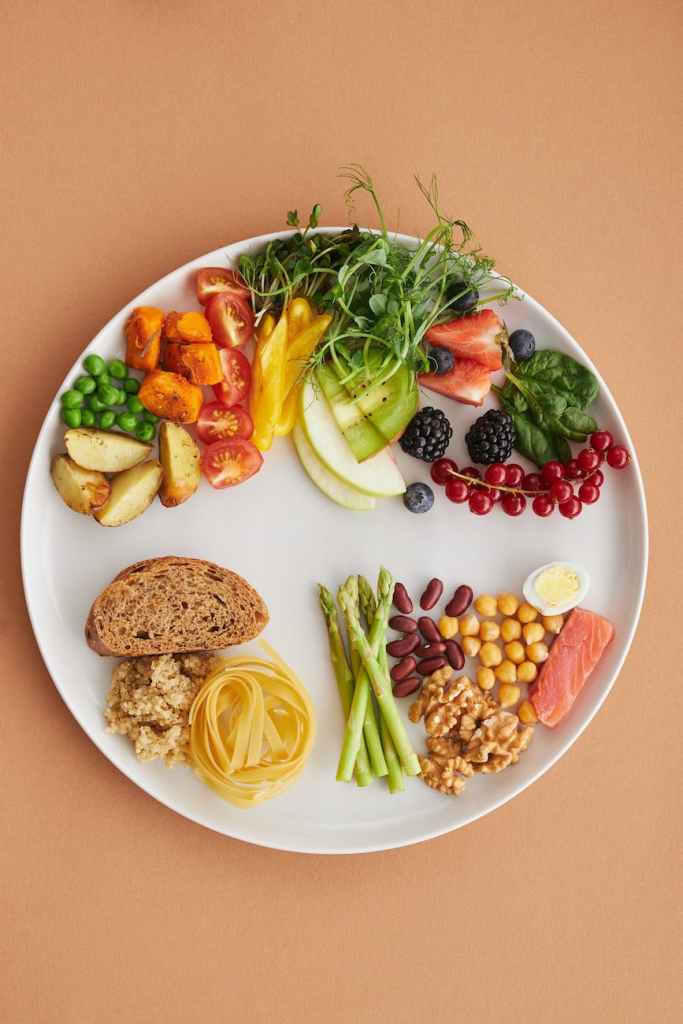
Guidelines for healthy eating are developed by The USDA (United States Department of Agriculture) to establish and promote healthy eating standards with Federal and Sates governments as well as schools and community based organizations. The guidelines are organized in the following categories:
Healthy Food Dietary Patterns (based on 2,000 Calorie level)
- Vegetables (2 ½ cups eq/day)
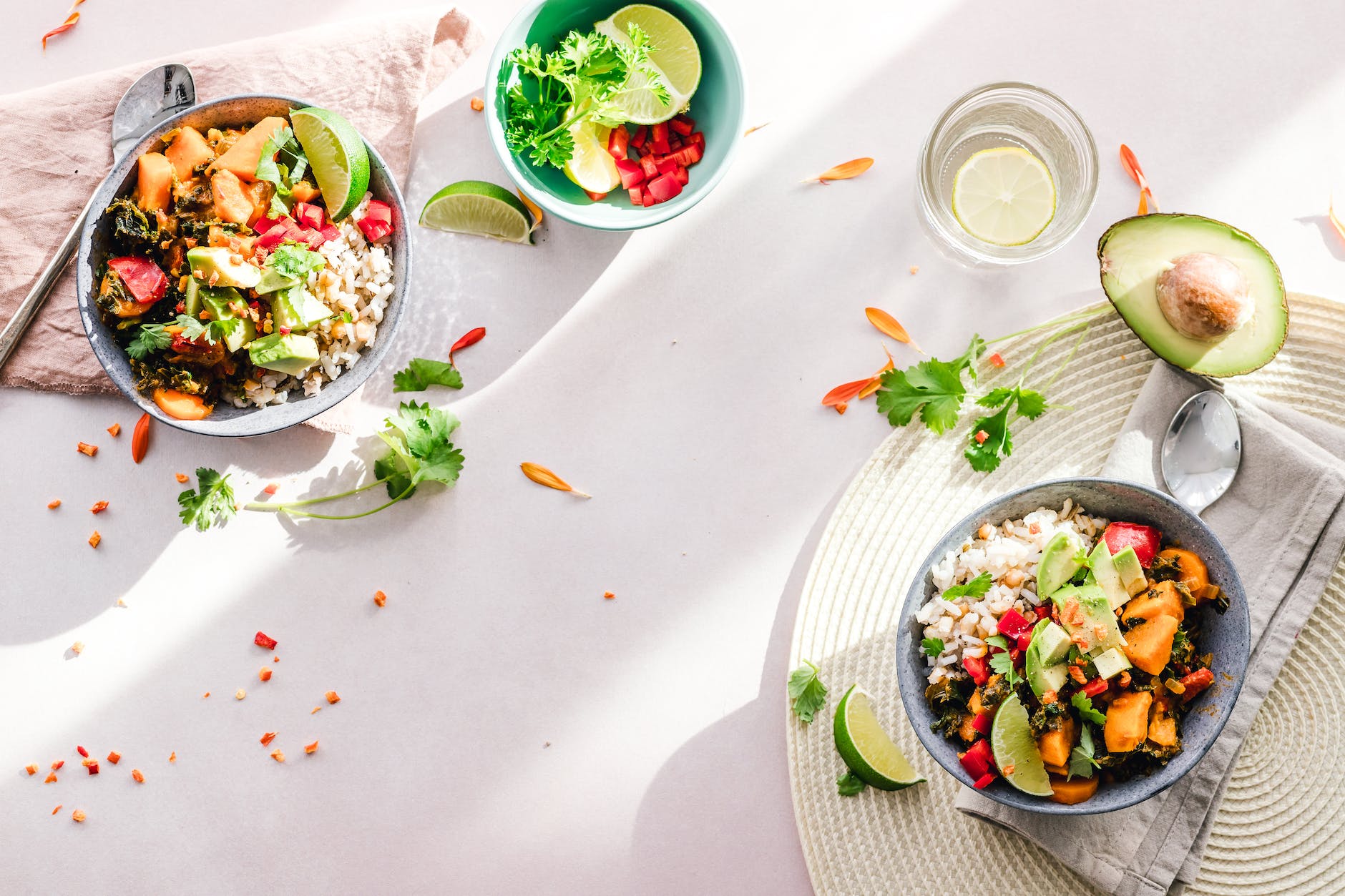
| Type | How much? | Example |
| Dark-Green Vegetables (cup eq/wk) | 1 ½ | All fresh, frozen, and canned dark green leafy vegetables and broccoli, cooked or raw: for example, amaranth leaves, bok choy, broccoli, chamnamul, chard, collards, kale, mustard greens, poke greens, romaine lettuce, spinach, taro leaves, turnip greens, and watercress. |
| Red and Orange Vegetables (cup eq/wk) | 5 ½ | All fresh, frozen, and canned red and orange vegetables or juice, cooked or raw: for example, calabaza, carrots, red or orange bell peppers, sweet potatoes, tomatoes, 100% tomato juice, and winter squash. |
| Beans, Peas, Lentils (cup eq/wk) | 1 ½ | All cooked from dry or canned beans, peas, chickpeas, and lentils: for example, black beans, black-eyed peas, bayo beans, chickpeas (garbanzo beans), edamame, kidney beans, lentils, lima beans, mung beans, pigeon peas, pinto beans, and split peas. Does not include green beans or green peas. |
| Starchy Vegetables (cup eq/wk) | 5 | All fresh, frozen, and canned starchy vegetables: for example, breadfruit, burdock root, cassava, corn, jicama, lotus root, lima beans, plantains, white potatoes, salsify, taro root (dasheen or yautia), water chestnuts, yam, and yucca. |
Other Vegetables (cup eq/wk) | 4 | All other fresh, frozen, and canned vegetables, cooked or raw: for example, asparagus, avocado, bamboo shoots, beets, bitter melon, Brussels sprouts, cabbage (green, red, napa, savoy), cactus pads (nopales), cauliflower, celery, chayote (mirliton), cucumber, eggplant, green beans, kohlrabi, luffa, mushrooms, okra, onions, radish, rutabaga, seaweed, snow peas, summer squash, tomatillos, and turnips. |
What does a serving vegetable look like?
- Fruits (2 cup eq/day)
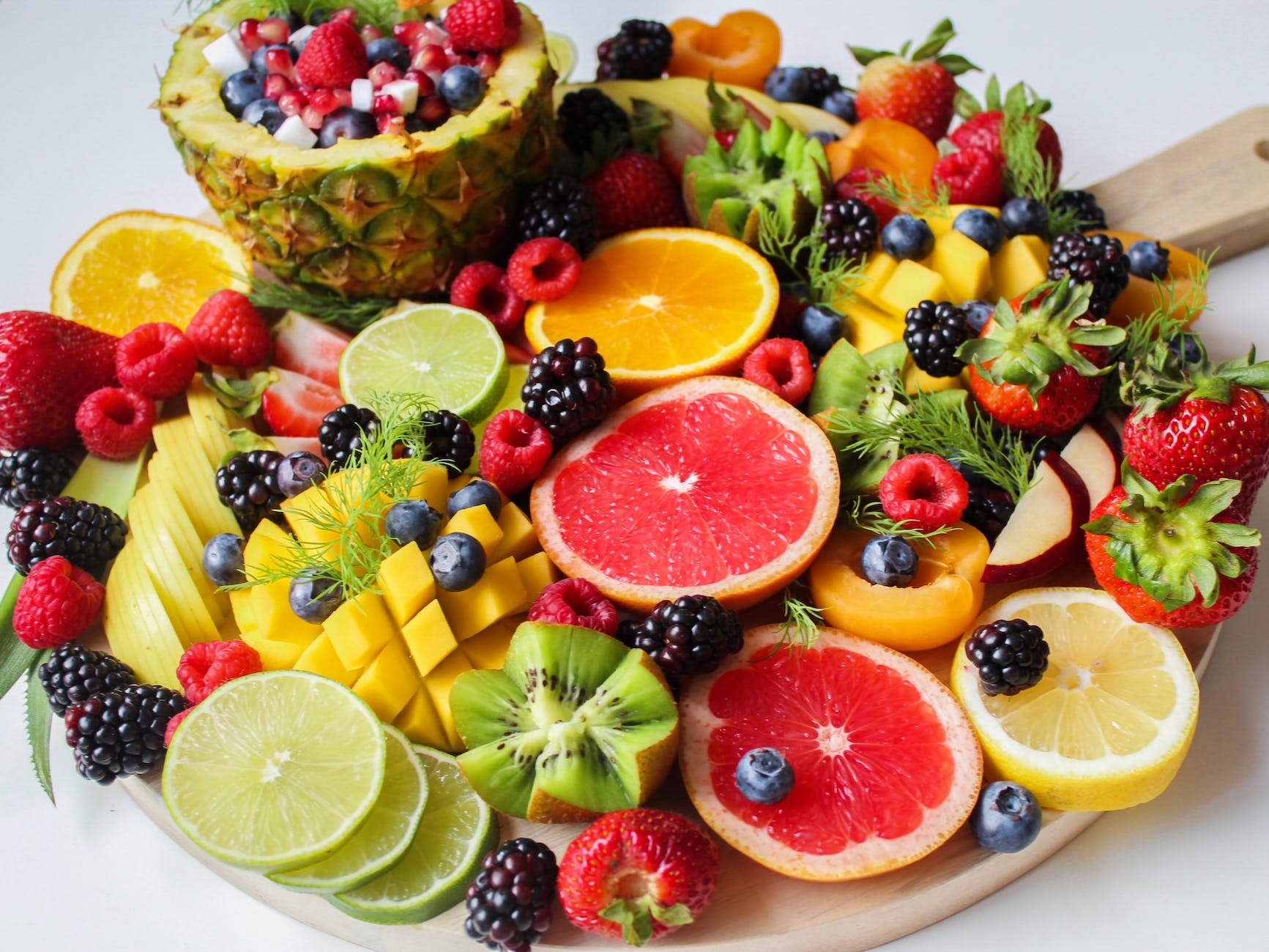
| Type and examples of Fruits |
| All fresh, frozen, canned, and dried fruits and 100% fruit juices: for example, apples, Asian pears, bananas, berries (e.g., blackberries, blueberries, currants, huckleberries, kiwifruit, mulberries, raspberries, and strawberries); citrus fruit (e.g., calamondin, grapefruit, lemons, limes, oranges, and pomelos); cherries, dates, figs, grapes, guava, jackfruit, lychee, mangoes, melons (e.g., cantaloupe, casaba, honeydew, and watermelon); nectarines, papaya, peaches, pears, persimmons, pineapple, plums, pomegranates, raisins, rhubarb, sapote, and soursop |
https://www.myplate.gov/eat-healthy/fruits
- Grains ( 6 ounce eq/day)
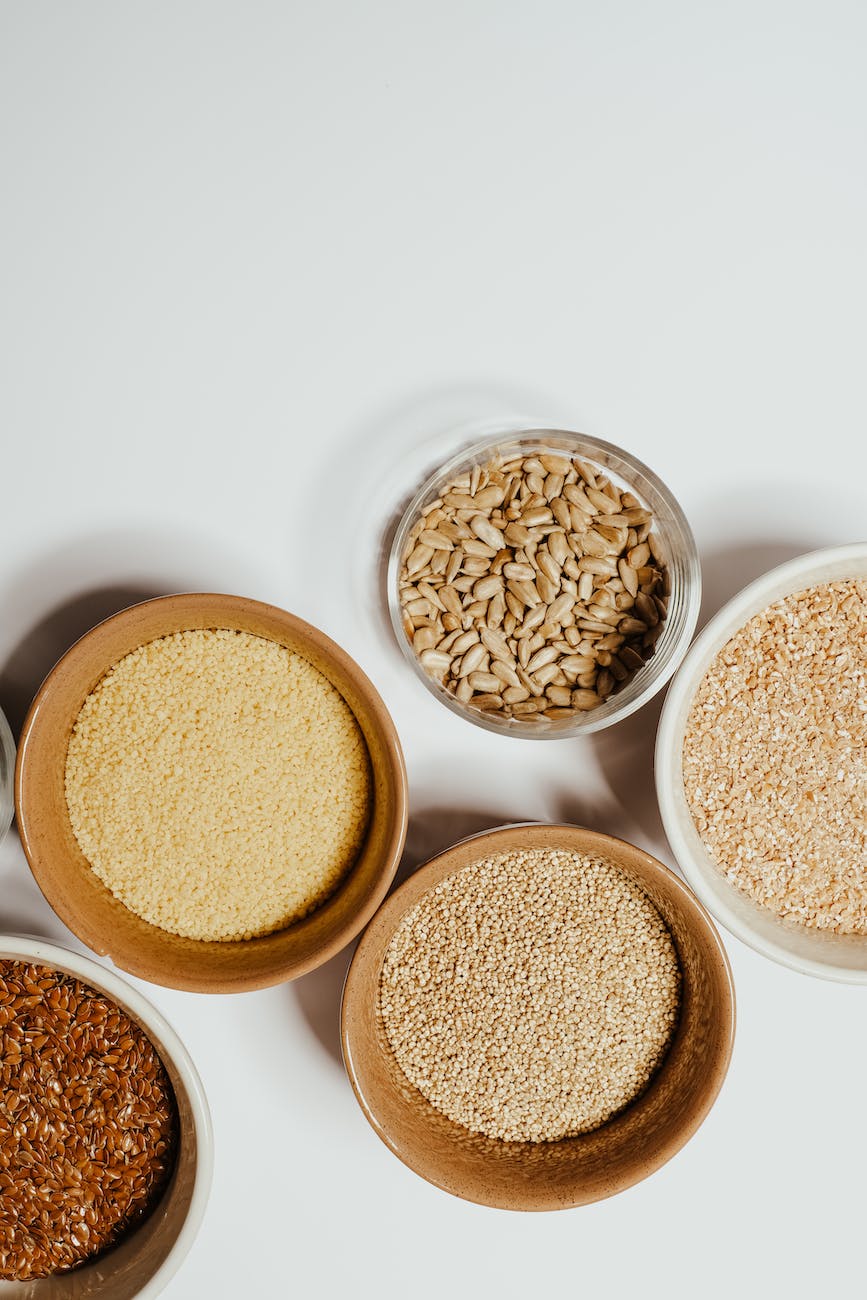
Photo by Vie Studio on Pexels.com| Type | Example |
| Whole Grain | All whole-grain products and whole grains used as ingredients: for example, amaranth, barley (not pearled), brown rice, buckwheat, bulgur, millet, oats, popcorn, quinoa, dark rye, whole-grain cornmeal, whole-wheat bread, whole-wheat chapati, whole-grain cereals and crackers, and wild rice. |
| Refined grains | All refined-grain products and refined grains used as ingredients: for example, white breads, refined-grain cereals and crackers, corn grits, cream of rice, cream of wheat, barley (pearled), masa, pasta, and white rice. Refined grain choices should be enriched. |
What does a serving of grain look like?
https://www.myplate.gov/eat-healthy/grains
- Dairy (3 cup eq/day)
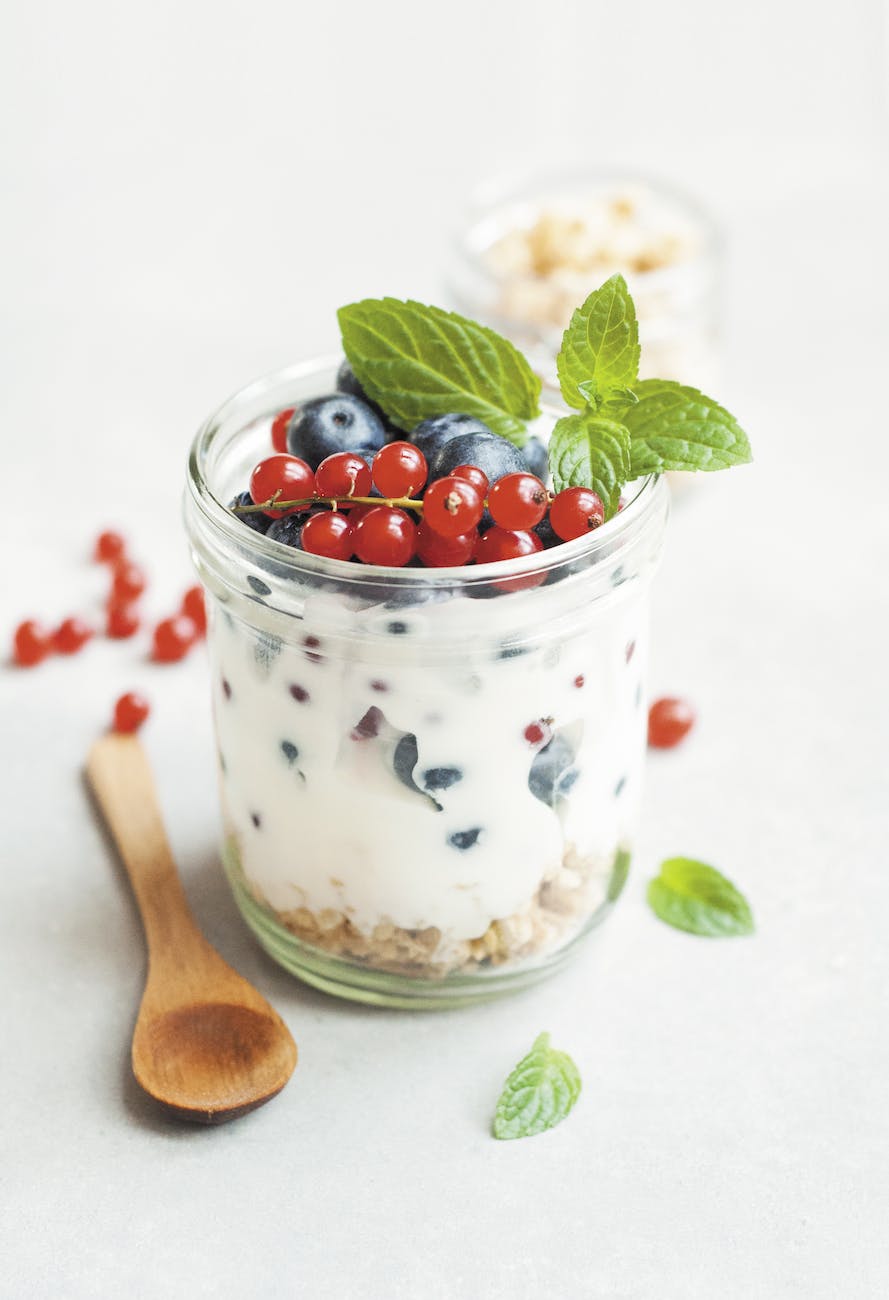
| Type | Example |
| Dairy | All fluid, dry, or evaporated milk, including lactose-free and lactose-reduced products and fortified soy beverages (soy milk), buttermilk, yogurt, kefir, frozen yogurt, dairy desserts, and cheeses. Most choices should be fat-free or low-fat. Cream, sour cream, and cream cheese are not included due to their low calcium content. |
What does a serving of dairy look like?
https://www.myplate.gov/eat-healthy/dairy
- Protein Foods (51/2 ounce eq/day)

| Type | How Much? | Example |
| Meats, Poultry, Eggs | 26 ounces eq/wk | Meats include beef, goat, lamb, pork, and game meat (e.g., bison, moose, elk, deer). Poultry includes chicken, Cornish hens, duck, game birds (e.g., ostrich, pheasant, and quail), goose, and turkey. Organ meats include chitterlings, giblets, gizzard, liver, sweetbreads, tongue, and tripe. Eggs include chicken eggs and other birds’ eggs. Meats and poultry should be lean or low-fat. |
| Seafood | 8 ounce eq/wk | Seafood examples that are lower in methylmercury include: anchovy, black sea bass, catfish, clams, cod, crab, crawfish, flounder, haddock, hake, herring, lobster, mullet, oyster, perch, pollock, salmon, sardine, scallop, shrimp, sole, squid, tilapia, freshwater trout, light tuna, and whiting. |
| Nuts, Seeds, Soy Products | 5 ounce eq/wk | Nuts and seeds include all nuts (tree nuts and peanuts), nut butters, seeds (e.g., chia, flax, pumpkin, sesame, and sunflower), and seed butters (e.g., sesame or tahini and sunflower). Soy includes tofu, tempeh, and products made from soy flour, soy protein isolate, and soy concentrate. Nuts should be unsalted. |
What does a serving of protein look like?
https://www.myplate.gov/eat-healthy/protein-foods
Jamah Well
Wellness-Education-Coaching

 Jamah Well